
Understanding the psychological effects of gambling on decision-making and risk perception
The Nature of Gambling and Its Appeal
Gambling has captivated individuals across cultures for centuries, deeply intertwining with human psychology. The thrill of risking something of value, whether money or time, for the potential of a greater reward can evoke intense emotions. This interplay of excitement and uncertainty is a significant factor behind gambling’s allure, leading individuals to perceive the experience as more than a mere financial transaction. Instead, it becomes a gamble with fate that many find irresistible. In many regional casino cultures, the draw of games can be enhanced by exciting features like a monopoly live casino, where unique experiences await the eager participant.
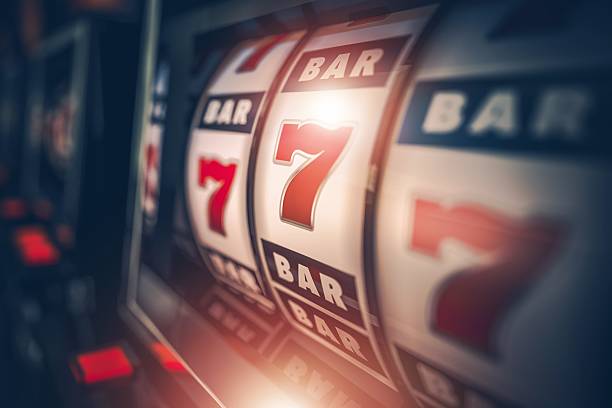
The social aspect of gambling further amplifies its appeal. Many people engage in gambling activities in groups, sharing the experience and building camaraderie. This social interaction can heighten emotional arousal, creating a sense of belonging among participants. When decisions are made in a group, the collective excitement can blur rational thinking, leading to riskier choices than one might typically make alone. This dynamic showcases how social influences can shape decision-making processes in a gambling environment.
Moreover, environmental factors, such as the ambiance of casinos, can significantly affect how individuals perceive risk while gambling. Bright lights, sounds of winning, and the presence of other players can create a sensory overload that heightens excitement. These elements can alter one’s judgment, leading to an inflated perception of winning probabilities. Understanding this multifaceted appeal is essential in analyzing how gambling influences decision-making and risk perception.
The Psychological Mechanisms Behind Gambling
The psychology of gambling is rooted in various cognitive biases and emotional responses. For instance, the “illusion of control” is a common phenomenon where gamblers believe they can influence outcomes, even in purely chance-based games. This belief can lead to overconfidence and increased risk-taking, as players may feel empowered to make bolder decisions based on their perceived ability to predict outcomes.
Another psychological mechanism at play is the “near-miss effect,” which occurs when individuals almost win, creating a strong emotional response that encourages them to continue gambling. This experience can reinforce the idea that success is just around the corner, further distorting risk perception and leading to persistence in gambling behavior, even in the face of losses. Understanding these psychological mechanisms is vital to grasp how they shape decisions in gambling contexts.
Additionally, the role of reinforcement schedules in gambling should not be underestimated. Variable-ratio reinforcement, where players receive rewards after an unpredictable number of attempts, can enhance the excitement and engagement of gambling. This unpredictability can create a powerful feedback loop that keeps players returning for more, despite potential losses. Such dynamics illustrate the profound impact of psychological factors on decision-making and the overall gambling experience.
The Impact of Losses and Win Rates on Decision-Making
Loss aversion is a critical concept in understanding how gambling affects decision-making. Psychologically, individuals tend to prefer avoiding losses over acquiring equivalent gains. This aversion can lead gamblers to take increasingly irrational risks in an attempt to recover losses, known as “chasing losses.” This behavior can create a vicious cycle, perpetuating the cycle of gambling and leading to more significant financial and emotional consequences.
The perception of win rates also plays a pivotal role in decision-making among gamblers. Many players often overestimate their chances of winning, influenced by past experiences or anecdotal evidence. This distortion can lead to the belief that they are “due” for a win, prompting them to make riskier bets. The psychological interplay of past wins and losses can significantly skew an individual’s perception of future outcomes, ultimately affecting their decision-making process.
Furthermore, the frequency of small wins can also impact a gambler’s risk perception. Players may focus on these minor victories while downplaying their overall losses, creating an illusion of profitability. This selective attention reinforces continued participation in gambling activities, as individuals believe they are more successful than they might actually be. Such cognitive biases highlight the complexities of how losses and win rates influence the psychology of gambling.
The Role of Emotion in Gambling Decisions
Emotion plays an indispensable role in gambling and decision-making. Many gamblers report experiencing heightened emotions such as excitement, anxiety, and frustration while gambling. These feelings can significantly influence their decisions, often leading to impulsive actions rather than rational choices. For instance, a player on a winning streak may become overly confident, leading them to increase their bets without fully considering the risks involved.
The relationship between emotional state and decision-making is further complicated by the effects of stress. High-stress levels can impair judgment and lead individuals to make riskier choices. Gamblers experiencing loss may resort to desperate measures, driven by the emotional turmoil of losing. This can lead to a pattern of destructive behaviors, where the desire to regain lost funds overrides logical decision-making.
Moreover, the emotional highs and lows of gambling can create a rollercoaster effect, where the thrill of winning is often followed by the despair of losing. These fluctuations can lead to a phenomenon known as the “gambling mood,” where a gambler’s emotional state continues to guide their decisions long after the gambling session has ended. Recognizing the impact of emotion on gambling is crucial for understanding the broader implications of decision-making in this context.

Understanding Gambling Behavior Through Research
Extensive research has been conducted to understand the psychological effects of gambling on decision-making and risk perception. Studies reveal that individuals who frequently engage in gambling often exhibit distinct psychological profiles characterized by specific biases and emotional responses. These findings help delineate the cognitive patterns that lead to compulsive gambling behaviors, providing insights into how such patterns can be addressed.
Furthermore, advances in neuropsychology are shedding light on the brain’s functioning during gambling activities. Research indicates that certain brain regions associated with reward processing become activated during gambling, reinforcing the behavior through dopamine release. This neurobiological perspective adds another layer to our understanding of how psychological mechanisms and brain function intertwine to influence decision-making in gambling contexts.
Additionally, interventions aimed at mitigating the negative impacts of gambling have emerged from this research. Cognitive-behavioral therapy, for instance, is commonly employed to help individuals recognize and alter harmful thought patterns related to gambling. Understanding the psychological underpinnings of gambling behavior not only aids individuals in making more informed decisions but also equips professionals with tools to address gambling addiction effectively.