
The evolution of casinos uncovering their fascinating history
The Origins of Gambling
The roots of gambling can be traced back thousands of years, with evidence suggesting that ancient civilizations engaged in games of chance. The earliest known gambling activities emerged in Mesopotamia around 3000 BC, where people used rudimentary dice made from animal bones. These early games were often linked to rituals and social gatherings, highlighting how integral gambling was to human culture even in its infancy. If you’re curious about the latest trends, check out new no deposit casinos.
In ancient China, the practice of gambling flourished with the invention of games like Keno, believed to date back to 200 BC. The Romans also embraced gambling, particularly through betting on chariot races and gladiatorial contests. This rich history laid the foundation for what would eventually evolve into the modern casino experience.
The Birth of Modern Casinos
The first establishments resembling today’s casinos began to emerge in the 17th century, notably in Italy. The term “casino” itself originates from the Italian word “casa,” meaning “house.” These venues offered various games, and the concept quickly spread across Europe. By the 18th century, places like Casino di Venezia in Italy became popular social hubs where nobility gathered for entertainment and gambling.
As the 19th century approached, the casino culture expanded to cities like Monte Carlo, which became synonymous with luxury gambling. The introduction of games like roulette and baccarat captured the imagination of the elite, setting the stage for casinos as we know them today. This period was pivotal in shaping the glamorous image associated with gambling.
The Casino Boom in the United States
The 20th century marked a significant turning point for casinos, particularly in the United States. Las Vegas emerged as the epicenter of gambling culture, with the first official casino, the Golden Gate Hotel & Casino, opening in 1906. The city transformed into a dazzling oasis of entertainment, attracting visitors from all over the world. The legalization of gambling in Nevada in 1931 further fueled this boom.
During the post-war era, Las Vegas saw a surge in casino construction and innovation. The introduction of themed resorts and elaborate shows elevated the gambling experience, making it more than just a place to wager money. This transformation played a crucial role in popularizing the idea of casinos as destinations for entertainment and leisure.
The Rise of Online Casinos
The advent of the internet in the late 20th century revolutionized the gambling industry. Online casinos began to emerge in the mid-1990s, offering players the convenience of gambling from the comfort of their homes. This new platform attracted a different demographic, making gambling more accessible and widespread than ever before.
As technology advanced, online casinos evolved to offer a variety of games, including slots, poker, and live dealer experiences. The introduction of mobile gaming further transformed the landscape, allowing players to gamble on-the-go. This shift represents a significant chapter in the history of casinos, as it continues to shape the future of gambling.

Exploring the Casino Landscape Today
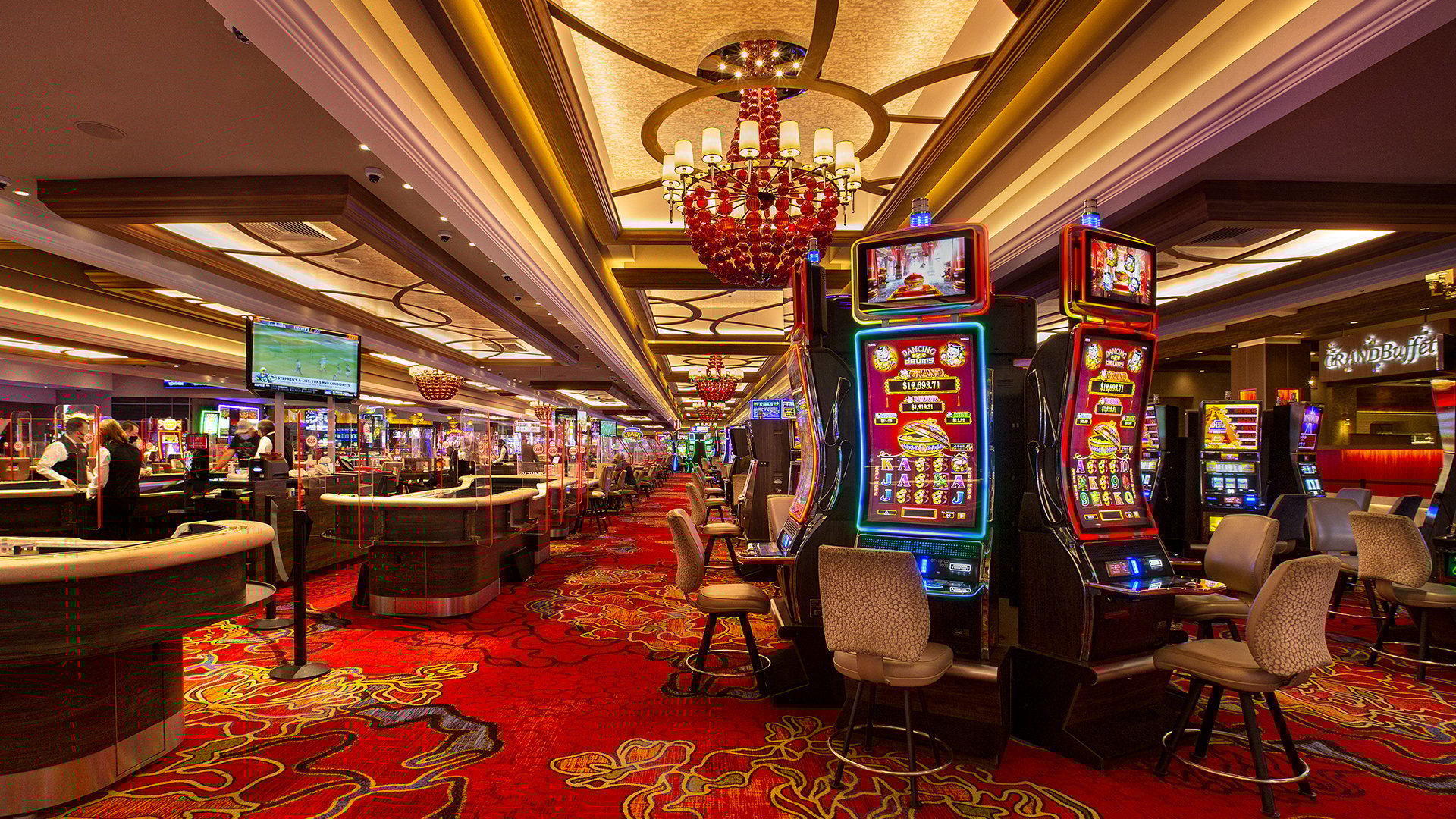
Today, casinos are multifaceted establishments that combine gaming with entertainment, dining, and luxury accommodations. They have become destinations for millions, showcasing a blend of traditional and modern experiences. The integration of technology has also introduced features like virtual reality and augmented reality gaming, enhancing the immersive experience for players.
Our website serves as a comprehensive guide to the evolving world of casinos, offering insights into the best new online casinos for players in New Zealand. We focus on safe and reputable platforms, ensuring that both new and seasoned gamblers find exciting, fair gaming experiences. Join us as we explore the vibrant landscape of casinos and help you navigate this dynamic industry.