

Understanding the World of Unavailable Websites
In the digital age, accessibility to websites is taken for granted. However, not all websites are available to every user around the globe. There are various reasons and factors that can contribute to a website’s inaccessibility. From regional restrictions to technical issues, understanding the world of websites that aren’t on can provide a myriad of insights for both users and developers. One specific example worth mentioning is what sites are not on GamStop https://www.midlandrailway.org.uk/, which showcases how sites can have targeted availability based on geographic or regulatory considerations.
What Does “Not Available” Mean?
The phrase “not available” can refer to several scenarios when discussing websites. This may include sites that are down temporarily due to server issues, those that have been permanently removed or rendered obsolete, or sites that are intentionally restricted based on geographical or regulatory rules. Understanding the nuances behind these situations is essential for grasping the broader landscape of web accessibility.
Temporary Outages
Temporary outages can happen for a myriad of reasons. Websites can go down due to server maintenance, technical glitches, or unexpected traffic spikes. These situations are usually resolved quickly, and many users return to find their desired sites operational after a short time frame. For web administrators, maintaining optimal server performance and planning for potential outages is critical in ensuring a smooth user experience.
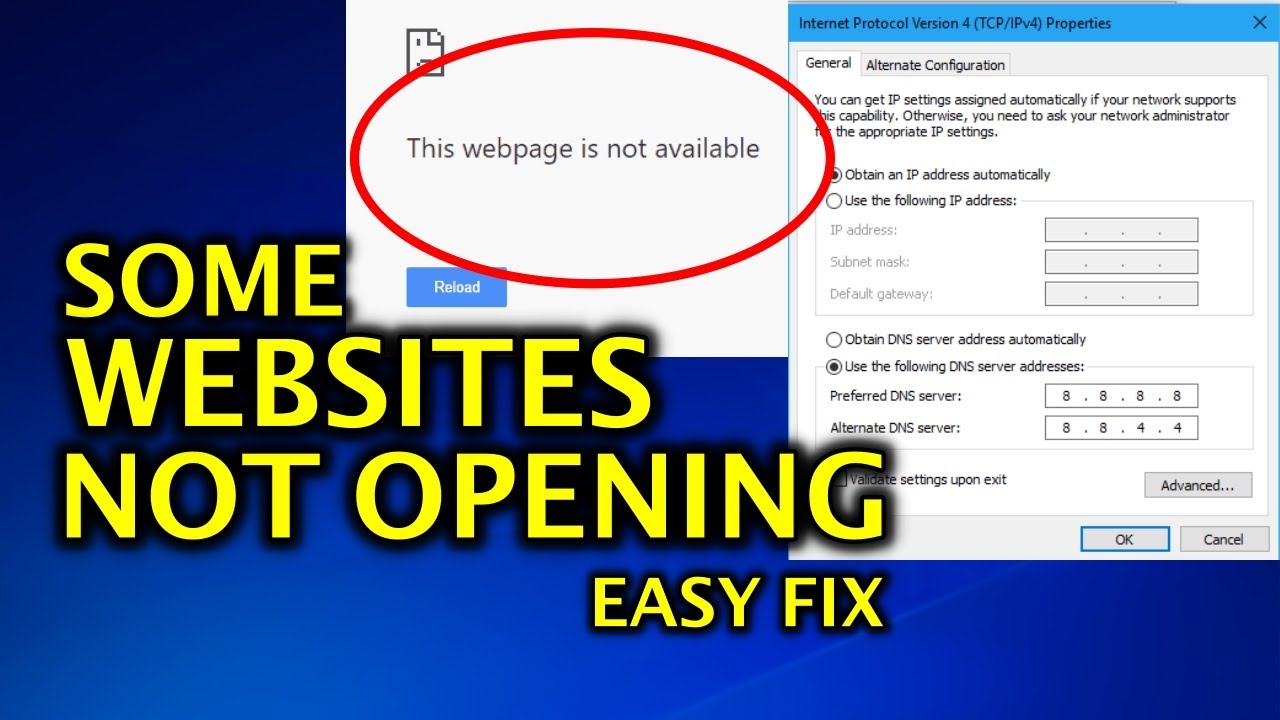
Permanently Removed Sites
Sites may also become unavailable when they are permanently taken offline. This can happen for various reasons, including bankruptcy, changes in business strategy, or the natural evolution of the internet, where old content is phased out to make way for new sites. When a beloved website disappears, users often feel a sense of loss, especially if the site had been a pivotal source of information or entertainment.
Geographical and Regulatory Restrictions
Perhaps one of the most interesting aspects of unavailable sites is the geographical and regulatory restrictions imposed on certain content. Due to digital rights management or regional laws, websites might be blocked in specific countries or regions. For example, popular streaming services, social media platforms, and even e-commerce sites can be inaccessible based on regional laws or governmental regulations. Users seeking to access these sites from restricted regions may resort to VPNs or other means to bypass such limitations.
The Implications of Inaccessibility
For both users and businesses, the implications of website inaccessibility can be significant. For businesses, having a site that is often unavailable can lead to lost sales and frustrated customers. With e-commerce booming, a stable online presence is essential for maintaining competitiveness in any market.
Impact on Users
On the user side, inaccessibility can lead to frustration. Users often rely on certain websites for information, entertainment, and communication. Being unable to access a preferred source can lead to the search for alternatives, which may not offer the same level of satisfaction. This scenario can lead to a shift in consumer behavior where users gravitate towards platforms that are more consistently available.
Impact on SEO and Visibility
From an SEO perspective, search engines prefer sites that are consistently available. Frequent downtime can lead to a drop in search engine rankings, making it harder for potential users to discover the web service in question. Therefore, maintaining uptime not only aids user experience but is also vital for search visibility and the overall success of any online venture.
Conclusion
The concept of websites being “not on” encompasses a wide array of scenarios, including periodic outages, permanent removals, and accessibility restrictions based on geography or regulation. Understanding these various factors is important for both users searching for information and for web developers striving to create robust, reliable platforms. By recognizing what makes a site inaccessible, both parties can navigate the digital landscape more effectively, ensuring a smoother experience in their online endeavors.
Future Directions
As technology evolves, so do the ways in which we experience the web. The growing trend of cloud computing and decentralized web architectures may offer solutions to the issues of unavailability in the future. Innovations in hosting and server technologies promise to create a more resilient internet where outages become less common. Furthermore, with ongoing legislative discussions around online privacy and accessibility, the regulatory landscape is poised for significant changes that will impact the availability of content worldwide.
Recommendations for Users
For users looking to avoid frustrations with inaccessible sites, here are a few recommendations:
- Stay informed about regional restrictions on popular websites you use.
- Utilize virtual private networks (VPNs) judiciously to bypass regional blocks when applicable.
- Follow social media channels of your favorite websites for real-time updates on outages or maintenance schedules.
- Regularly clear your browser cache to avoid loading outdated versions of web pages.
- Engage with web communities and forums to find alternative sources for the information you seek when a site is down.
Resources
For further exploration of the topic of unavailable websites, you may want to check the following resources:
- Website Downtime: How It Affects Your Business
- How Website Downtime Affects Your SEO
- The Impact of Website Outages