
The Allure of Risk: Understanding the Thrill
Casino betting captivates many individuals, drawing them into a world where risk and reward intertwine. The thrill of taking chances can be exhilarating, as players often find themselves caught up in the excitement of potentially winning big. This allure is deeply rooted in our psychology, where the anticipation of a possible reward can trigger a rush of dopamine, the neurotransmitter associated with pleasure. This biochemical reaction reinforces the thrill, motivating players to visit https://www.balmoralresources.com/ the tables, hoping to replicate the euphoric feeling.
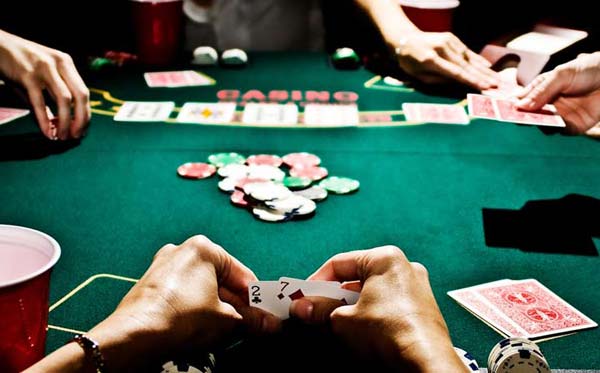
Moreover, the element of risk plays a pivotal role in decision-making within casinos. Many individuals are attracted to activities that provide an unpredictable outcome. This unpredictability satisfies a primal instinct for adventure and exploration, making casino environments particularly enticing. As players engage in games of chance, they experience bursts of adrenaline that can lead to impulsive decision-making, further enhancing the psychological grip that gambling holds over them.
The Role of Cognitive Biases in Betting Decisions
Cognitive biases significantly influence how individuals perceive odds and make betting choices at casinos. One common bias is the “gambler’s fallacy,” where individuals believe that past outcomes affect future results. For example, if a player observes a losing streak, they may incorrectly assume that a win is more likely to occur next. This misunderstanding of probability can lead to poor decision-making and increased betting, as the player chases losses in hopes of breaking the streak.
Another influential cognitive bias is the illusion of control, where gamblers believe they can influence the outcome of games that are purely luck-based. This sense of control can lead to overconfidence, prompting players to wager more than they initially intended. Such biases underscore the complexity of human behavior in the context of gambling, revealing how our minds can misinterpret statistical realities in pursuit of excitement and victory.
The Social Dynamics in Casino Environments
Casinos are unique social settings that foster interaction among players, which can further drive betting behavior. The communal atmosphere encourages competition and camaraderie, creating a social dynamic that can amplify the excitement of gaming. Players often feed off each other’s energy and enthusiasm, which can lead to increased bets and heightened emotional involvement. This social influence can downplay individual risk assessments, as the desire to connect with others may outweigh the logical evaluation of the situation.
Additionally, casinos often employ strategies to cultivate a sense of community through events, rewards programs, and shared experiences. The design of casinos, with their vibrant lights and sounds, enhances this social engagement by stimulating the senses. As players navigate through this environment, the collective energy can create a sense of belonging, further influencing their betting choices and reinforcing their commitment to the experience.
The Impact of Marketing and Game Design
The design and marketing of casino games play a crucial role in shaping players’ choices and behaviors. Casinos utilize various psychological techniques to attract and retain customers, employing bright colors, enticing sounds, and the use of near wins to generate excitement. These elements create an immersive experience that can distort a player’s sense of time and money, making them more likely to spend longer periods gambling and investing more than they originally planned.
Moreover, promotional offers and loyalty programs are strategically designed to encourage repeat visits and continuous betting. As players are rewarded for participation, they often become more emotionally invested in the games, leading to a cycle of engagement that can be difficult to break. This interplay between game design, marketing strategies, and psychological factors creates a powerful environment that significantly influences players’ decisions and betting habits.

Conclusion: The Intersection of Psychology and Gambling
In summation, the psychology behind casino betting is a multifaceted subject that encompasses risk, cognitive biases, social dynamics, and marketing influences. Understanding these elements is essential for both players and industry stakeholders. By recognizing the psychological triggers that drive choices in gambling, individuals can make more informed decisions, while casinos can create responsible gaming environments that enhance player experiences.
At Balmoral Resources, we aim to provide valuable insights and resources that extend beyond the mining and resource sector. As we explore the wider implications of human behavior in various contexts, we encourage individuals to critically assess their choices and decisions—whether in gaming, investing, or beyond—armed with knowledge and understanding of the psychological factors at play.