
Exploring the fascinating evolution of gambling through the ages
The Origins of Gambling
The history of gambling can be traced back to ancient civilizations, where rudimentary forms of betting and games of chance emerged. Archaeological findings indicate that as early as 3000 BC, the Chinese were using tiles to play a game of chance resembling lottery draws. This notion of gambling as a means of entertainment and potential fortune began to weave itself into the fabric of society, influencing cultural rituals and social gatherings. As time progressed, these activities transformed, becoming more structured and organized. Today, players can conveniently access various platforms, including payid casinos, which offer modern gaming experiences.

The Egyptians, too, embraced gambling, evident through their use of senet, a board game that combined elements of chance and strategy. These ancient games were not merely a pastime; they held significant cultural importance, often associated with the divine. The Romans further advanced gambling by introducing betting on gladiatorial combats and chariot races, signifying the beginning of organized betting and wagers that would evolve into the complex industry we know today.
The early forms of gambling were not regulated, allowing a wide range of activities to flourish. However, this lack of structure also led to issues such as cheating and fraud. The need for rules and regulations became apparent, paving the way for the first formalized gambling practices. By the medieval period, various games of chance were adopted across Europe, culminating in the development of modern gambling houses and the establishment of regulations to govern the growing industry.
The Rise of Casinos
The 17th century marked a significant turning point in the evolution of gambling with the emergence of the first official casino in Venice, Italy. Known as the Ridotto, it was a government-sanctioned facility that allowed the elite to indulge in games of chance while maintaining order and control. The success of this venture inspired other cities to establish their gambling houses, leading to a proliferation of casinos across Europe. These establishments became synonymous with luxury, entertainment, and the thrill of risk, attracting patrons from all walks of life.
In the 19th century, the casino culture expanded further, particularly with the introduction of the first modern roulette wheel in France. This period saw the birth of iconic games such as blackjack and baccarat, which became staples in casinos worldwide. As gambling became more sophisticated, so did the architectural designs of casinos, with opulent interiors and elaborate themes, establishing them as destinations for entertainment beyond just gaming.
The American gambling landscape transformed with the Gold Rush in the mid-1800s, leading to the rise of gambling towns like Deadwood and Tombstone. These establishments offered a mix of games, entertainment, and social interaction, creating a unique atmosphere that attracted adventurous souls seeking fortune. The influence of the Wild West further solidified gambling’s place in American culture, leading to the eventual establishment of Las Vegas as the gambling capital of the world in the 20th century.
The Impact of Technology on Gambling
The advent of technology in the 20th century dramatically reshaped the gambling landscape. The introduction of slot machines revolutionized casinos, making gaming more accessible to the general public. As these machines became commonplace, they laid the foundation for a new era of gambling, one characterized by innovation and entertainment. By the mid-20th century, casinos began to incorporate more advanced gaming technology, enhancing user experiences and increasing engagement.
The digital revolution of the late 20th and early 21st centuries marked another seismic shift in gambling. The rise of the internet paved the way for online casinos, allowing players to participate in games from the comfort of their homes. Online gambling platforms began to emerge in the late 1990s, offering players a plethora of gaming options ranging from virtual slots to live dealer games. This transition not only expanded the audience for gambling but also created a new set of challenges regarding regulation and responsible gaming.
Mobile technology further propelled the growth of online gambling, enabling players to access their favorite games anytime, anywhere. As mobile applications became increasingly sophisticated, casinos began to develop user-friendly interfaces designed to enhance the gaming experience. These technological advancements have led to a significant increase in gambling participation, with millions of players engaging in online and mobile gaming, resulting in an ever-evolving industry that continues to adapt to consumer preferences.
The Cultural Significance of Gambling
Throughout history, gambling has transcended mere entertainment, becoming a reflection of cultural values and societal norms. In many cultures, gambling has served as a rite of passage or a form of social bonding. Festivals and celebrations often include games of chance, reinforcing community ties and offering shared experiences. In some societies, traditional forms of gambling have been preserved, representing a connection to heritage and history.
The relationship between gambling and cultural identity is complex, often manifesting in both positive and negative light. While many celebrate the excitement and camaraderie that gambling fosters, others express concern regarding the potential for addiction and social issues. The duality of gambling’s impact underscores the need for responsible gaming practices, education, and awareness campaigns that promote a balanced approach to gaming.
Art, literature, and film have also explored gambling’s allure, showcasing its capacity to inspire both triumph and despair. Iconic films like “Casino Royale” and novels like Dostoevsky’s “The Gambler” have captured the tension and excitement of gambling, reflecting society’s fascination with chance, risk, and fate. These cultural representations further entrench gambling within the societal narrative, showcasing its multifaceted nature.
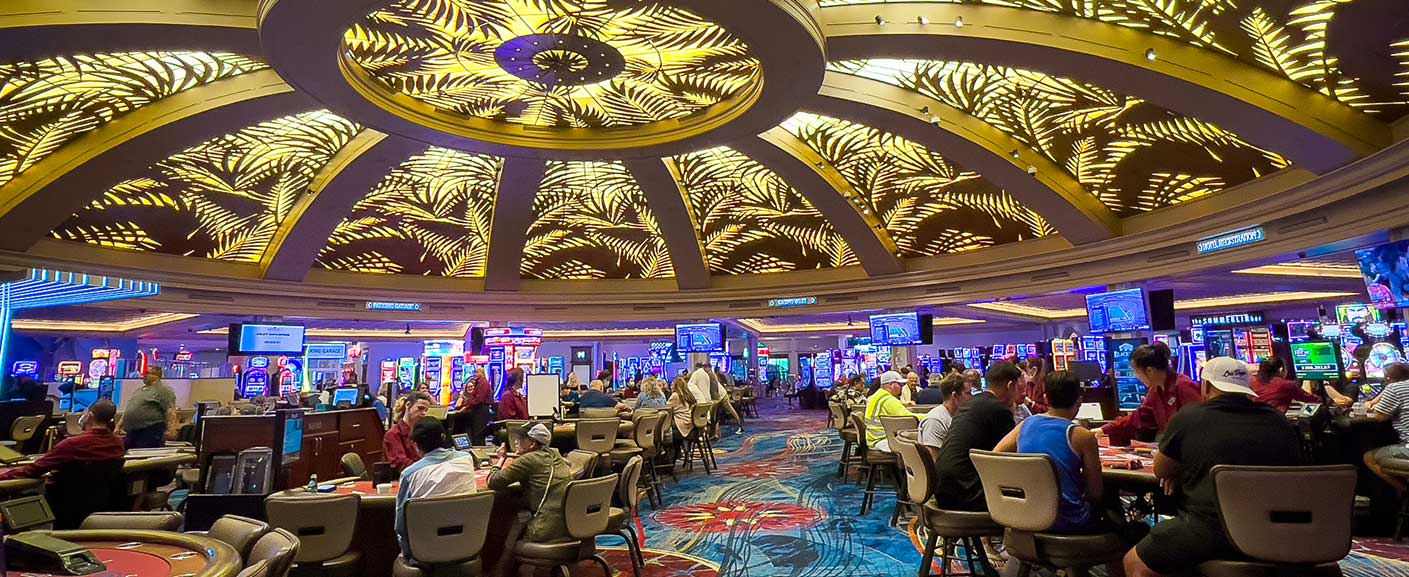
Where to Explore Modern Gambling
As the gambling industry continues to evolve, various platforms offer a seamless experience for enthusiasts looking to engage with games of chance. Online casinos have become increasingly popular, providing a wide variety of games tailored to different preferences. Australian players, in particular, can find a wealth of options that facilitate fast and secure transactions, ensuring a hassle-free experience. The rise of online gambling has democratized access, allowing players from diverse backgrounds to explore and enjoy gaming.
Our comprehensive guide to online casinos aims to simplify the search for the best gaming experiences. We prioritize platforms that offer quick payouts, generous bonuses, and a user-friendly interface, ensuring that every player finds the ideal space to indulge in their passion. Whether it’s a preference for pokies or table games, our expert reviews and rankings are designed to enhance your online gaming journey.
Join us today and elevate your experience in the world of online gambling. With our insights, players can navigate the myriad of options available, making informed choices and maximizing their enjoyment. As gambling continues to evolve, staying informed and connected to the latest trends will ensure a rewarding experience for every player.